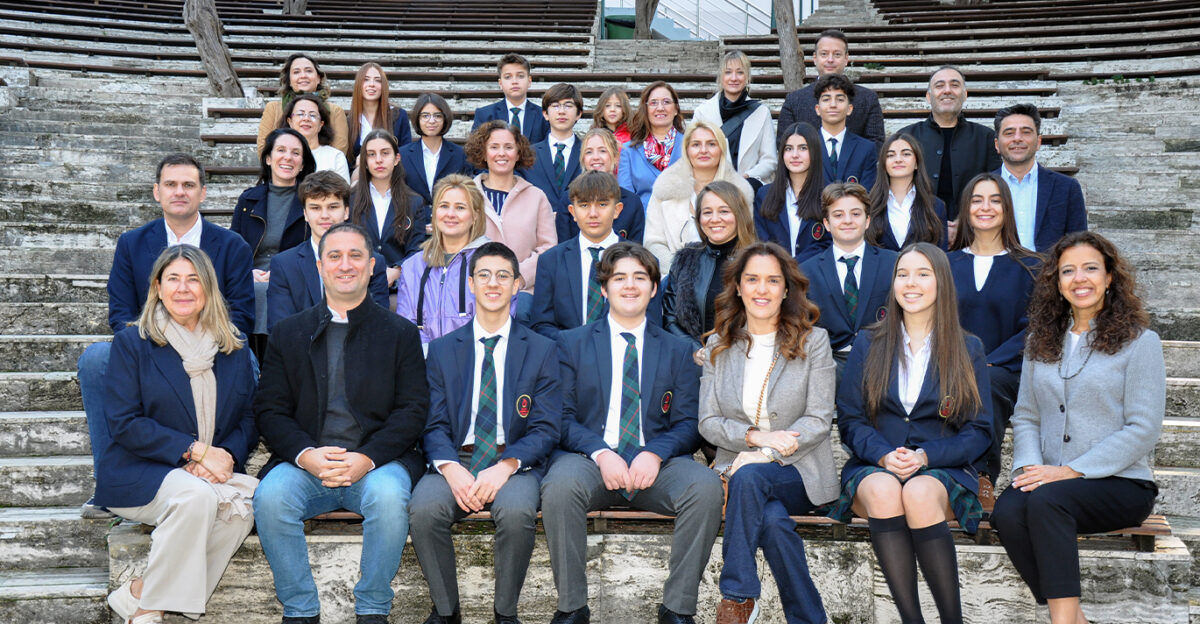
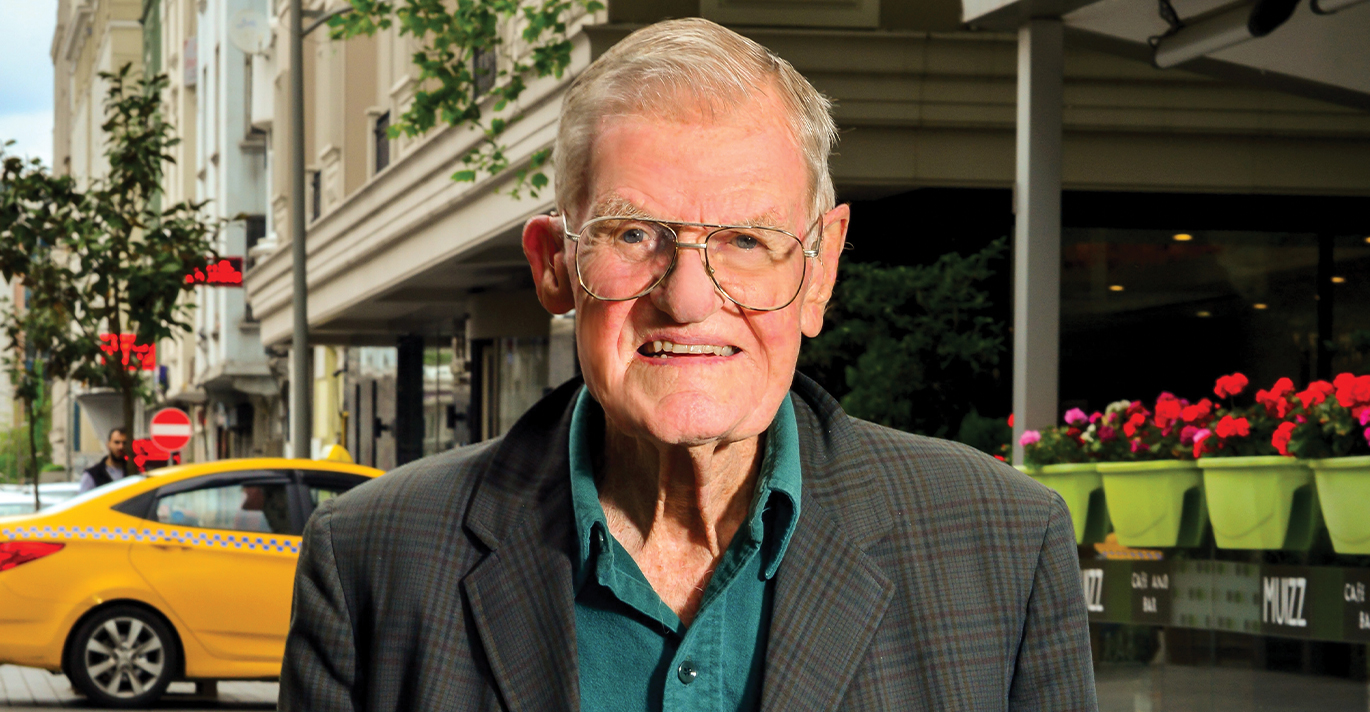
We were deeply saddened to learn of the passing of Dr. Barclay Shepard, who died in the United States on August 1, 2026, at the age of 100. For four generations, since 1882, members of the Shepard family lived and served in Türkiye, contributing to the hospitals and schools of the American Board and SEV. Dr. Barclay Shepard was the third generation of his family to continue this legacy. From 1995 to 2001, he served as Chief Medical Officer of Gaziantep SEV American Hospital for six years, following in the footsteps of his grandfather, Fred Douglas Shepard, and his father, Lorrin Shepard. Through his service, he continued a remarkable family tradition and left a lasting mark on our Foundation and institutions. We extend our heartfelt condolences to the entire Shepard family and to all who loved him, especially his nephew Whitman Shepard, a fourth-generation member of the family who served for many years as an educator and school leader at TAC, UAA, and SAC.
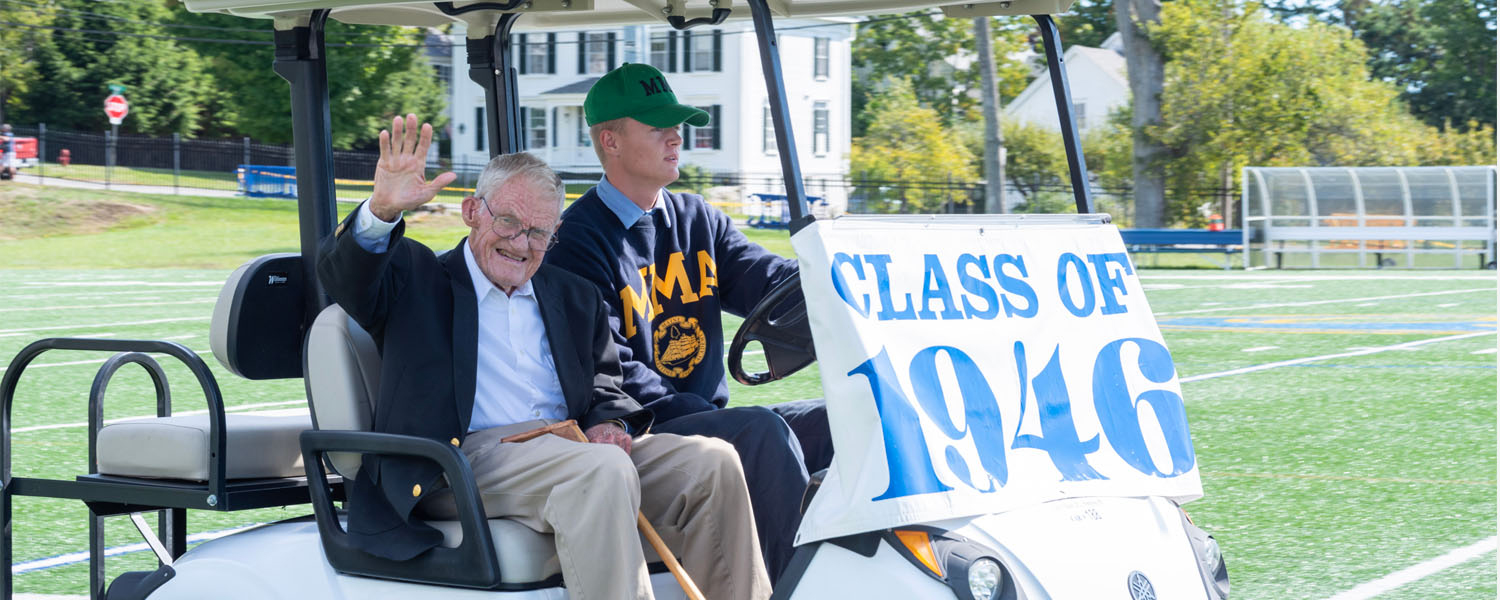
Barclay Shepard visiting Maine Maritime Academy as the school’s Marshal of the Year at the 2022 Homecoming ceremony. / Maine Maritime Academy Alumni Magazine
B arclay Shepard was born on June 16, 1926, in Boothbay Harbor, Maine, the fourth of five children of Lorrin and Virginia Moffat Shepard. At the time, his father, Lorrin, like his own father, Fred Douglas, was serving as a physician in Gaziantep. During the Turkish War of Independence, the family was forced to return to the United States.
Years later, Dr. Barclay would recall that his mother had been pregnant with him when she left Antep. He would often tell people in Gaziantep: “The seed was planted here, so I consider myself half a Gaziantepli.”
In 1927, he returned to Türkiye with his family, and they settled in Istanbul. He spent his childhood there until the age of 12, together with his sister Alice, his brothers Frederick and Robert, and his younger sister Connie.
He attended Deerfield Academy in Massachusetts, graduating in 1944, and then Maine Maritime Academy, where he graduated in 1946. He subsequently spent a year traveling the world as a merchant mariner.
In 1947, Barclay began his studies at Bowdoin College in Brunswick, Maine, majoring in History and minoring in French. It was there that he met his future wife, Martha Loughman.
The couple later moved to Istanbul, where Barclay taught English at Robert College from 1950 to 1953. After the birth of their first child, Douglas, he decided to leave teaching and follow in the footsteps of his grandfather and father by pursuing a career in medicine.
In 1954, he was admitted to Tufts University School of Medicine in Boston. That same year, his twin sons, Richard and David, were born. With the support of a military scholarship, Barclay completed his medical education and graduated in 1958, after which he joined the U.S. Navy.
He completed a one-year internship followed by four years of residency in general surgery at the National Naval Medical Center in Bethesda, Maryland. He was then assigned to the U.S. Naval Hospital in Beaufort, South Carolina, where he served as a General Surgeon and became a Fellow of the American College of Surgeons.
He later specialized in thoracic surgery and, in 1967, completed his training at the U.S. Naval Hospital in St. Albans, New York.
Beginning in 1968, he held leadership positions in surgery and planning at various U.S. Navy hospitals. In 1978, he joined the U.S. Department of Veterans Affairs. After 34 years of public service, he retired in 1995.
But retirement did not last long. In a remarkable return to the place where his family’s story in Türkiye had begun, he came back to the country where his grandfather Fred Douglas Shepard, his grandmother Fanny Shepard, and his father Lorrin Shepard had all served, and where, in his own words, “the foundations were laid.” From 1995 to 2001, he served as Chief Medical Officer of Gaziantep SEV American Hospital.
In 2001, he returned to the United States and settled in his hometown of Boothbay Harbor, where he spent the rest of his life.
His older brothers, Frederick and Robert, had passed away before him. Dr. Barclay Shepard is survived by his sisters Alice, who was also a physician, and Connie; his three sons and their spouses; nine grandchildren; twenty great-grandchildren; and many nieces, nephews, cousins, and other family members. He also leaves behind a remarkable family legacy spanning generations.
As the Health and Education Foundation, we extend our deepest gratitude to Dr. Barclay Shepard for his service and contributions to our Foundation and institutions. We offer our heartfelt condolences to the entire Shepard family and to his friends and loved ones, especially his nephew Whitman Shepard, son of his late brother Frederick, who devoted many years to SEV and our schools as an educator and school leader.
In 2019, Dr. Barclay Shepard returned to Türkiye as a guest of SEV for the opening of Sadıkpaşa Mansion in Tarsus following its restoration. We are sharing once again the interview with him published in SEV’s Connect magazine, together with a video recorded during the same visit, which we are making available for the first time.
We remember Dr. Barclay Shepard with love, respect, and gratitude.
(This interview was conducted in Turkish. Minor edits and simplifications have been made to preserve its warm and conversational tone.)
I CONSIDER MYSELF HALF A GAZIANTEP PERSON
Dr. Shepard, welcome back to Türkiye. How has your visit been so far?
It’s been wonderful. Thanks to Mehmet Bey (Nane), who sent me such a warm letter inviting me to the opening of Sadıkpaşa Mansion in Tarsus, I simply got on a plane and came. From there, I went on to Gaziantep.
What did you do during your visit to Gaziantep?
My visit to Gaziantep went very well. When I was Chief Medical Officer at the hospital there, I became very close friends with Aykut Tuzcu. We met again during this visit. We visited the new Zeugma Mosaic Museum, and Mr. Tuzcu introduced me to Fatma Şahin, the Mayor of Gaziantep.
We spoke for about an hour to an hour and a half. I told her about the history of the Shepard family and asked whether they would consider naming a street after the family, since three generations of us had served in the city. They said, “Of course,” and told me they would make it happen.
The following evening, we visited MMT American Hospital, where my grandfather and grandmother are buried in the garden. The hospital is run by Mehmet Taşdelen, who has invested a great deal in it. Everything looks very good. I had the opportunity to meet him as well. Dr. Cezmi Ük is now the hospital’s Chief Medical Officer, and they have turned it into an excellent hospital.
But I find myself wondering: why have they done all this? There is clearly a great deal of competition in Gaziantep now. Since my previous visit two or three years ago, at least 13 new private hospitals have opened. How will all these hospitals survive? And I hear that a huge 1,700-bed public hospital is also being built. They are planning to name it after December 25, the date of Gaziantep’s liberation. They certainly have a challenging task ahead of them. I hope they succeed.
-
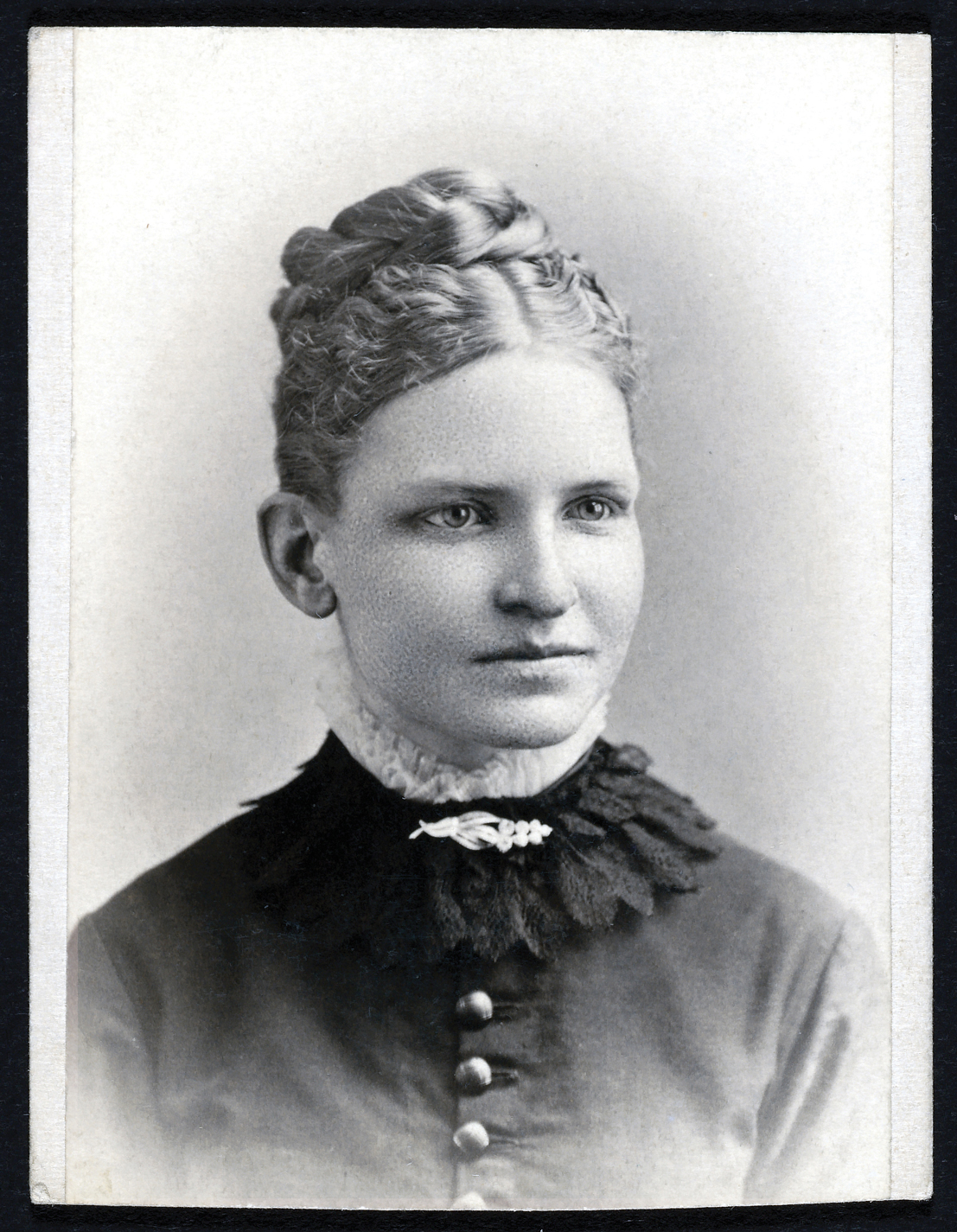
- Fanny P. Andrews Shepard (1856-1920)
-
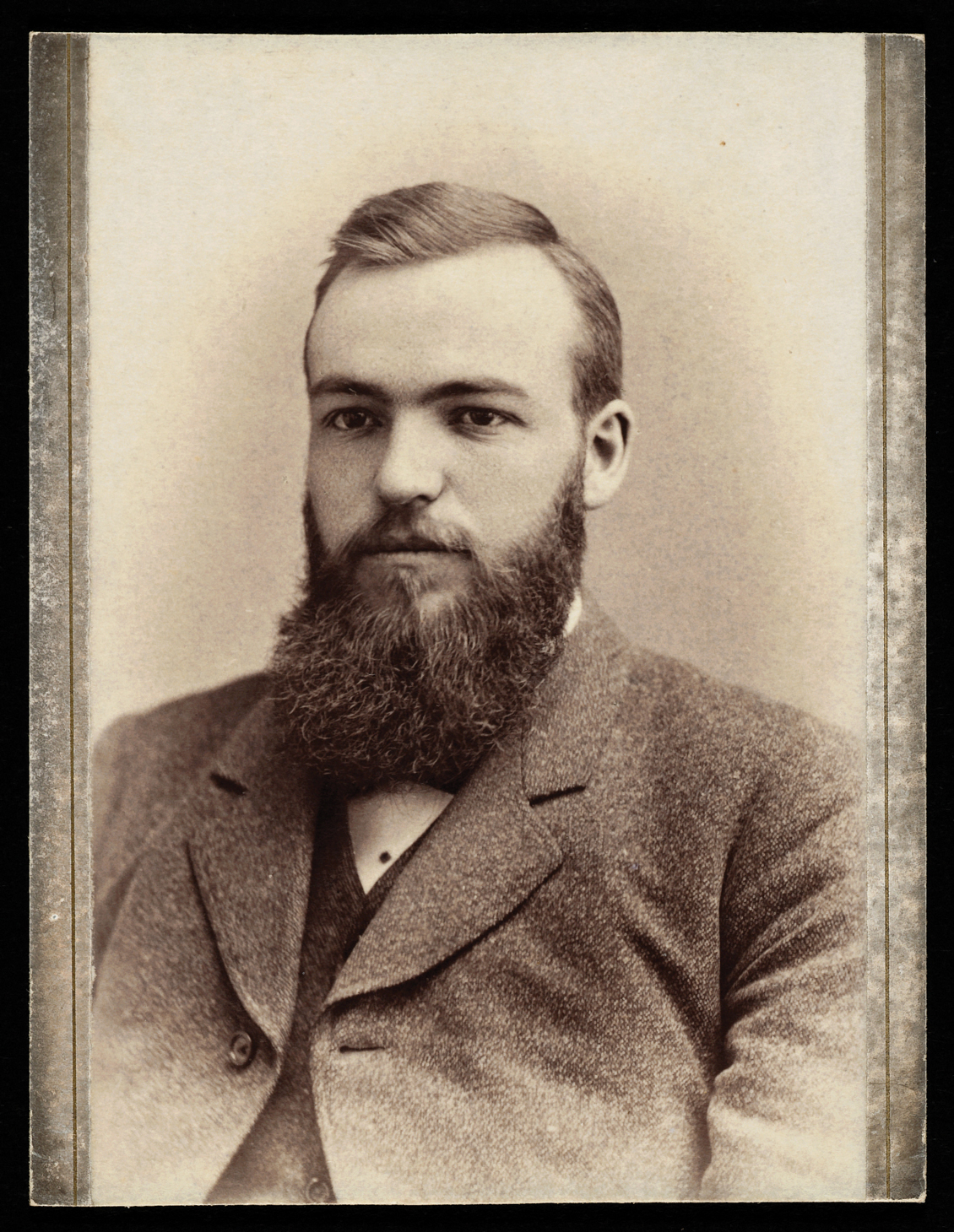
- Fred Douglas Shepard (1855 -1915)
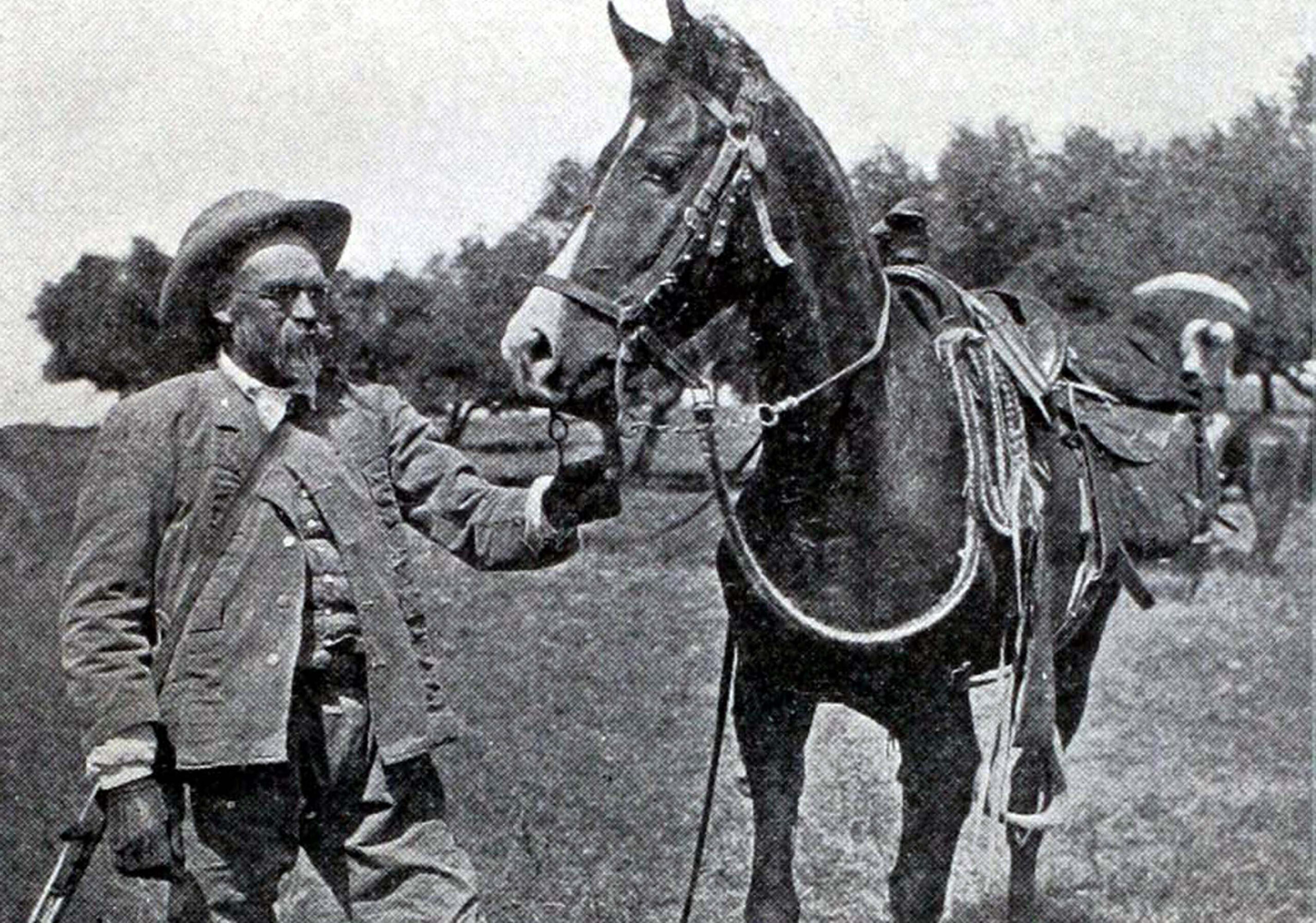
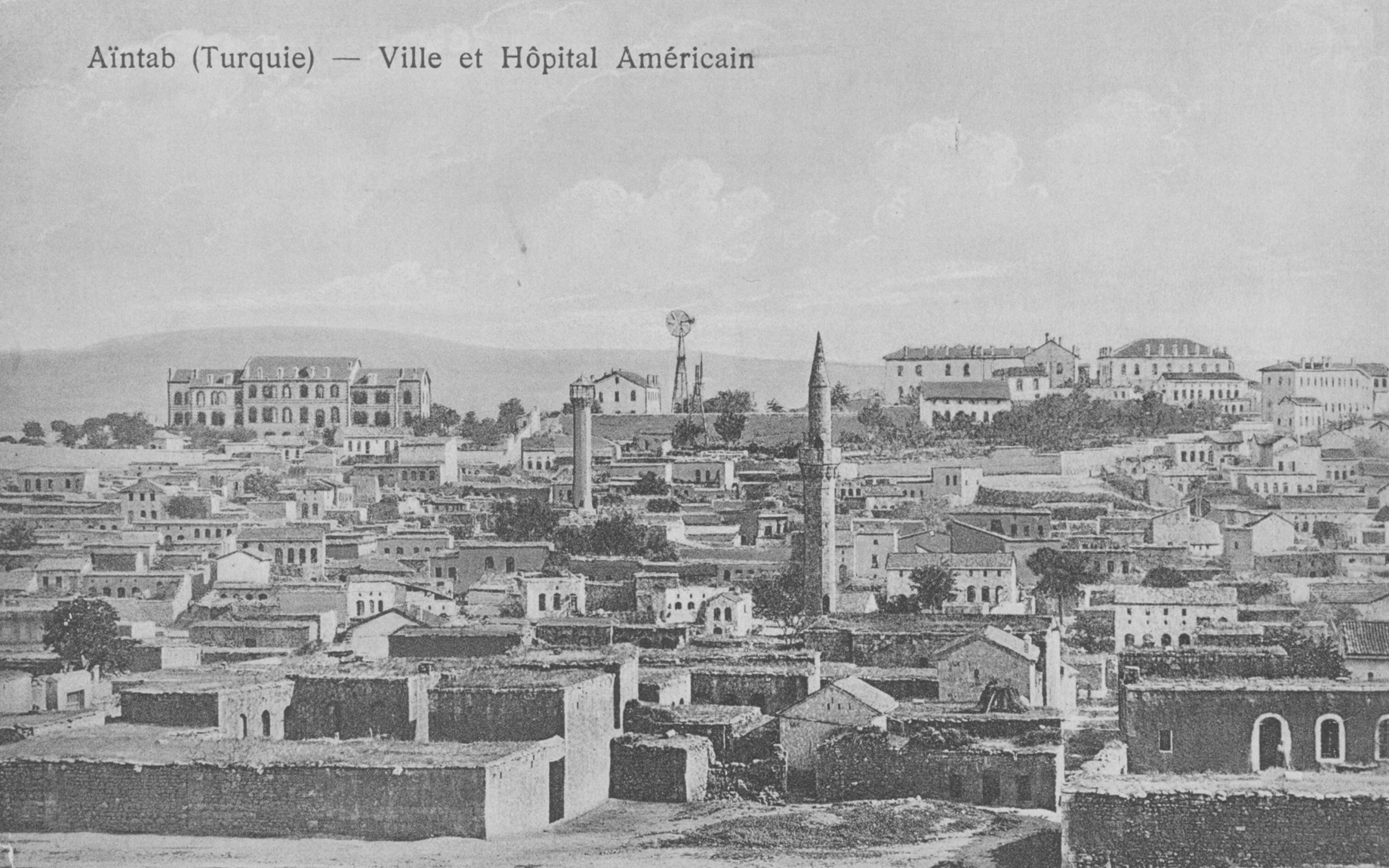
-
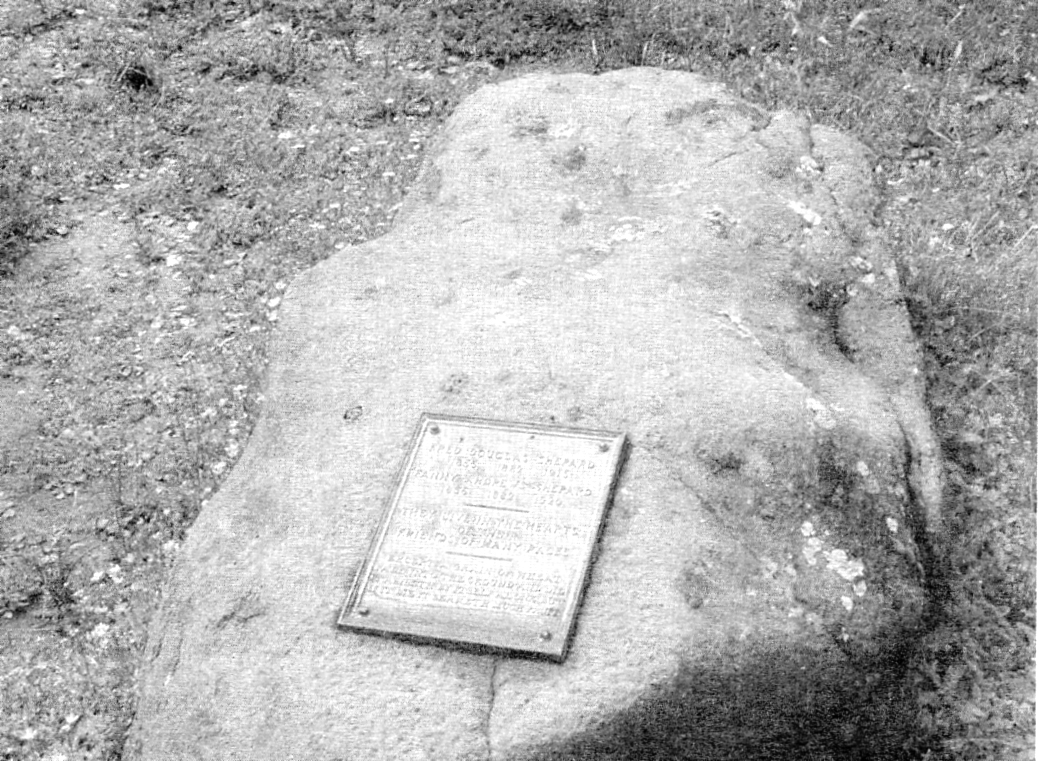
- The graves of Fred Douglas Shepard (1855–1915) and Fannie Andrews Shepard (1856–1920) in the garden of Gaziantep SEV American Hospital.
Gaziantep holds a very special place in your family’s history…
Yes, it does. My grandfather, Fred Douglas Shepard, and my grandmother, Fanny P. Andrews Shepard, were both physicians and came to Antep in 1882. They had both graduated from the University of Michigan Medical School. Through the healthcare they provided in Antep, they became much-loved and highly respected members of the community.
My grandfather passed away in 1915, and my grandmother in 1920. They are both buried in the hospital garden today. Three of their children were born in Antep: two daughters, Alice and Florence, and my father, Lorrin Shepard, who was also a physician.
My father studied medicine in the United States and returned to Antep in 1919, where he began working at the hospital. But these were the years of war. When my father arrived, the British were there. Later, they withdrew and the French came in. During this complicated and difficult period, my father and my mother, Virginia Moffat Shepard, left Antep in December 1925 and returned to the United States.
My mother was pregnant with me at the time. I always tell people in Antep: “The seed was planted here, so I consider myself half a Gaziantepli.”
My sister and my brother Frederick were born in Antep. I was born in Maine, in the United States, in 1926. When I was one year old, we moved to Istanbul.
-
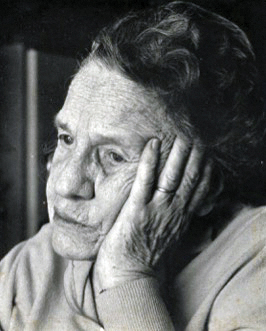
- Virginia Moffat Shepard (1882-1986)
-
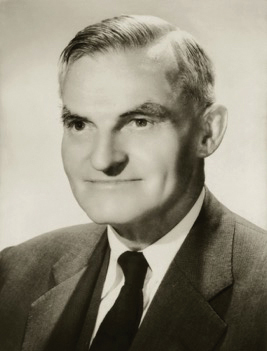
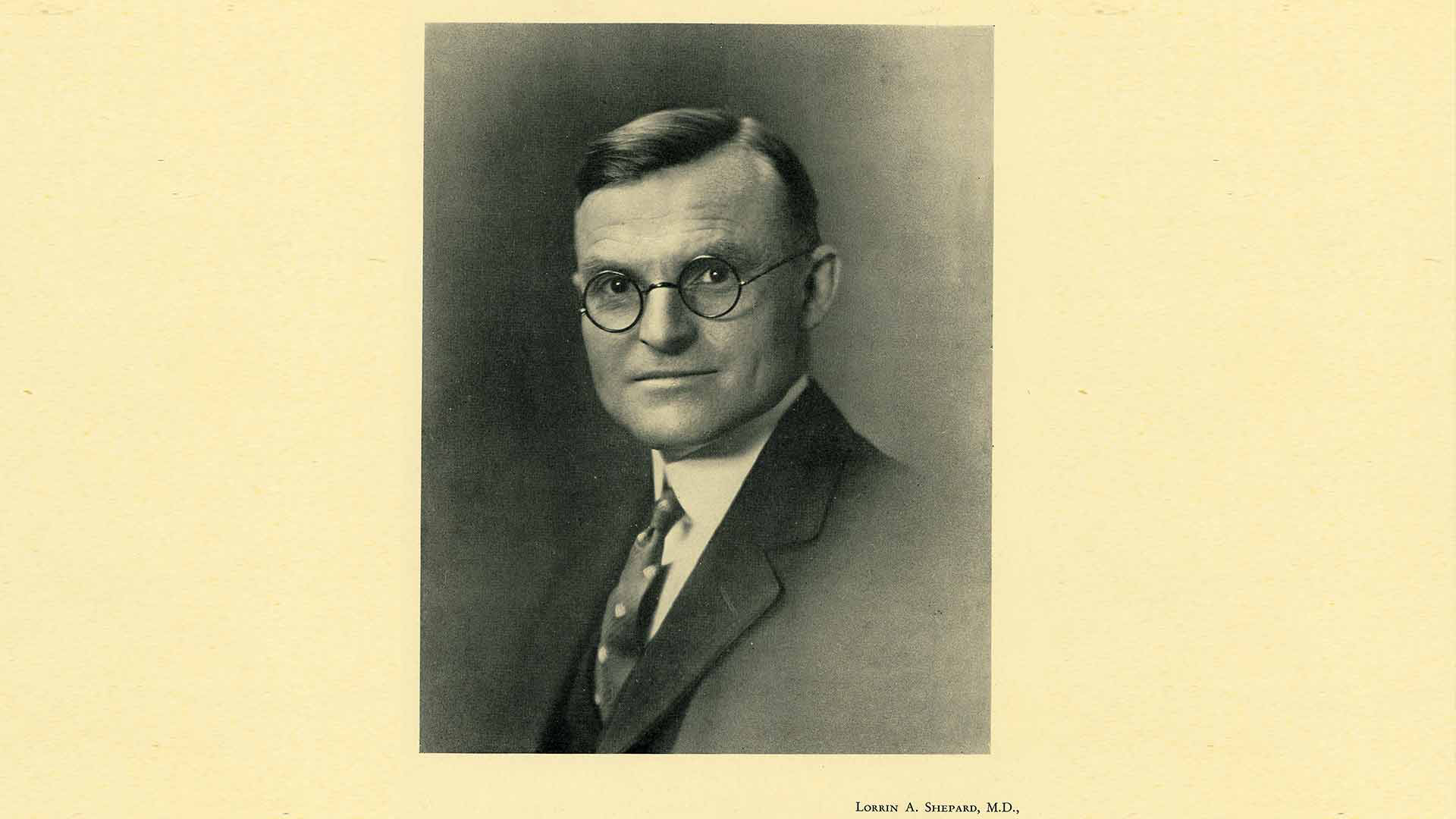
- Dr. Lorrin A. Shepard (1890-1983)
-
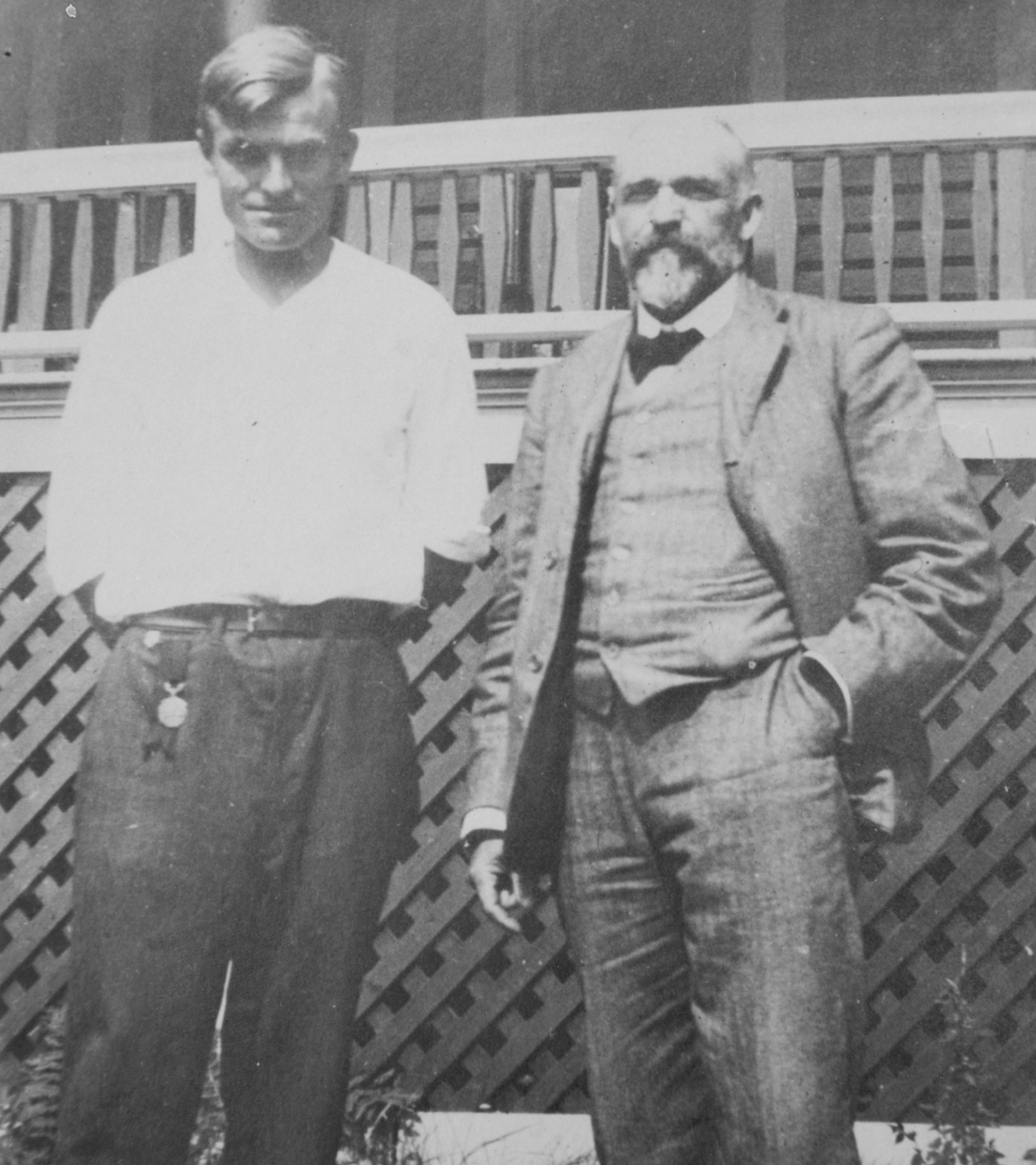
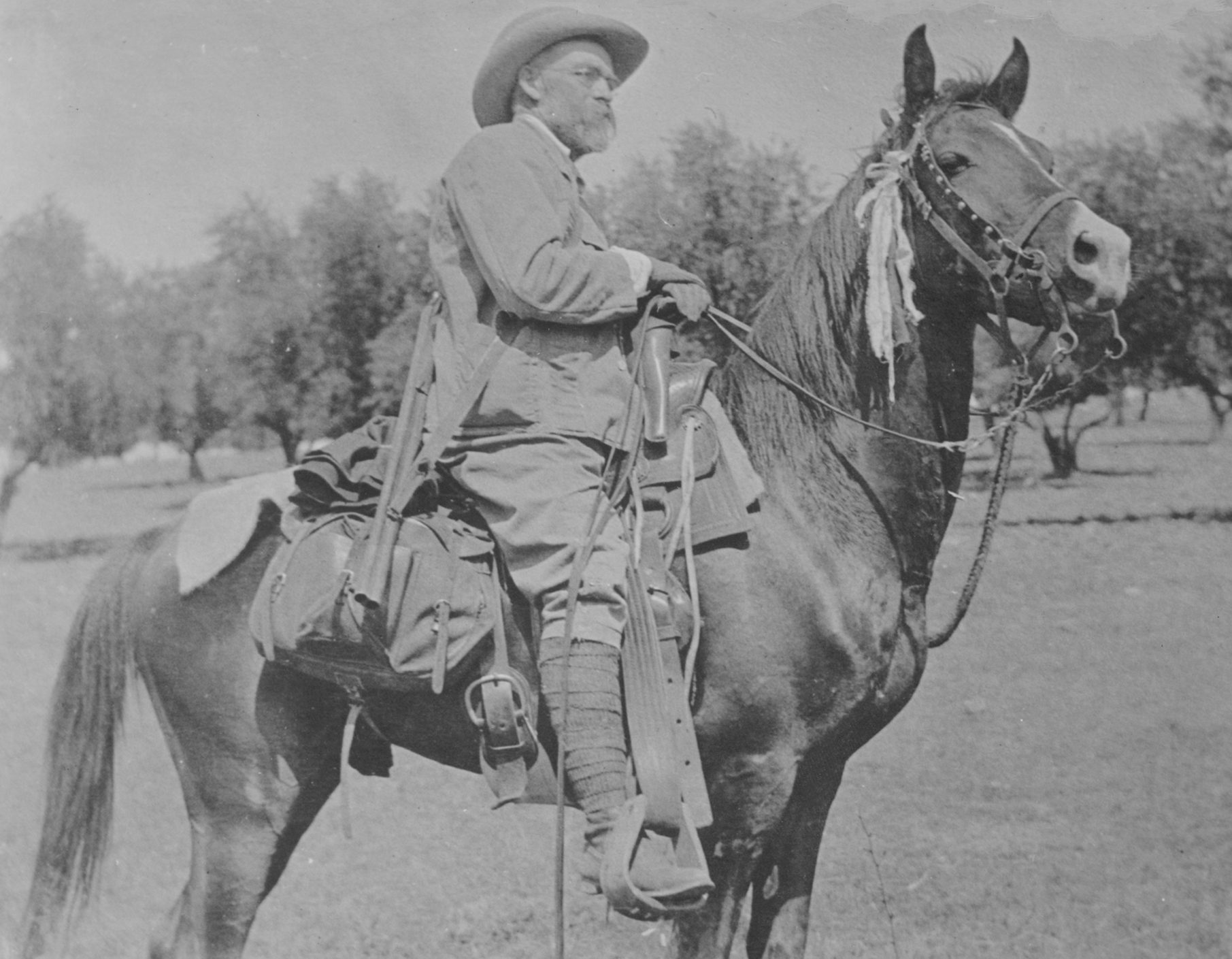
- Dr. Lorrin A. Shepard with his father, Fred Douglas Shepard.
FROM ANTEP TO ISTANBUL…
You came to Istanbul, where your father, Lorrin Shepard, worked as a surgeon and served as Chief Medical Officer of Admiral Bristol Hospital, now known as Istanbul American Hospital, for 30 years, correct?
Yes. We returned to Türkiye, to Istanbul, in 1927. My happiest childhood memories are from Istanbul. In 1938, I went to the United States for my education. I attended a small college in Maine.
I then returned to Istanbul and worked as a teacher at Robert College for three years, beginning in 1950. My first child, a fourth-generation member of the family, was born in Istanbul. My father, Lorrin Shepard, delivered him.
While I was teaching at Robert College, I decided to become a doctor and returned to the United States once again. I entered Tufts University School of Medicine in Boston. I became a general surgeon and a cardiovascular surgeon.
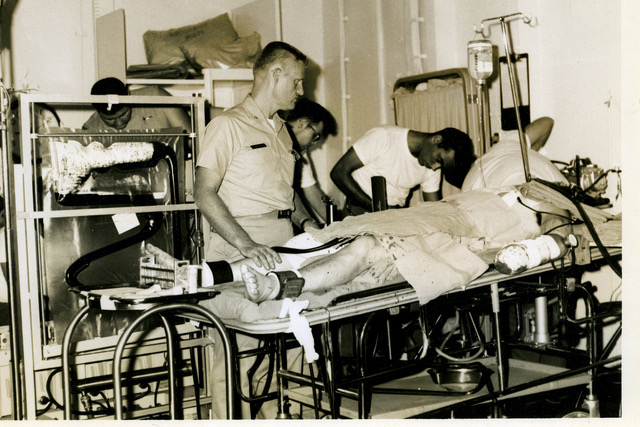
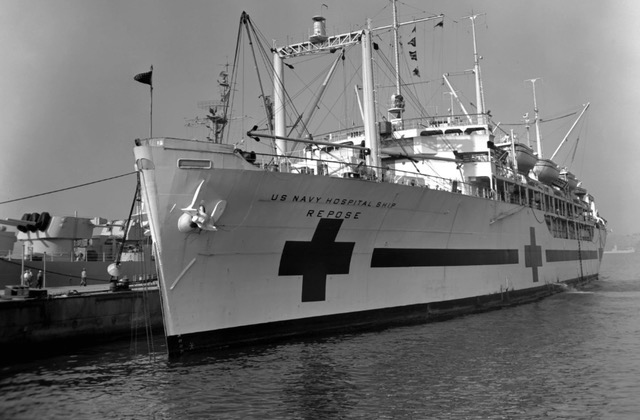
I worked as a physician in the U.S. Navy for 22 years. During the Vietnam War, I also served aboard a hospital ship. After retiring in 1979, I worked for another 12 years at the U.S. Department of Veterans Affairs.
-
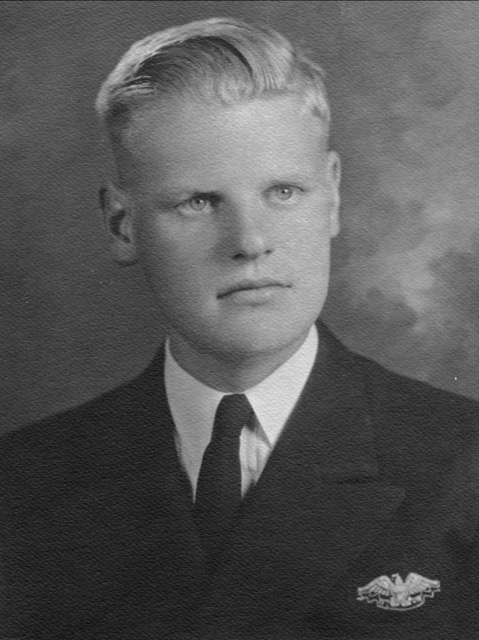
- Barclay Shepard, Maine Maritime Academy
-
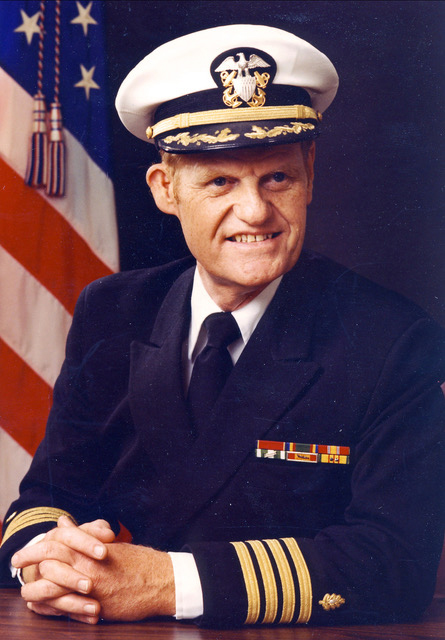
- Capt. Dr. Barclay Shepard
And then came your years in Gaziantep once again…
After separating from my wife, I decided to return to Türkiye, and I came to Istanbul in 1995. At the time, Yaşar Yaşer (TAC ’51) was Chairman of the SEV Board of Trustees. One day, while Mr. Yaşer was speaking with Mr. McCain, one of the American Board’s administrators, he asked, “Could we find an American doctor to serve as Chief Medical Officer of the hospital in Gaziantep?”
Mr. McCain replied, “Of course, I know someone,” and got in touch with me. I was quite surprised, of course. I would be working at the same hospital as a third-generation Shepard physician. I met with Mr. Yaşer and went on to serve as the hospital’s administrator in Antep for six years.
What did it feel like to be in Gaziantep as the third generation of your family to serve there?
I had never really known Antep, the place my mother had left while she was pregnant with me. The only time I had visited before was in 1947, when the whole family got together and we were planning to go camping in Uludağ.
We first traveled from the United States to Beirut by ship and then took a train. There was no railway station in Antep at the time, so we got off at Fevzipaşa and reached Antep in a truck loaded with watermelons. We spent my 21st birthday there.
Before that, I had never known Antep at all, and I really liked it.
What was the hospital like at the time? I believe the nursing school had reopened, but then closed again after a short time?
The hospital was not in very good condition. As soon as I arrived, I made an agreement with the U.S. government. There was a woman at the consulate in Adana, and we worked very well together. They were extremely helpful to the hospital. I arranged for large quantities of medical supplies and equipment to be brought over from the United States on two occasions.
At the time, Can Şahinoğlu (TAC ’58) was the Rector of Çukurova University. He was also a Tarsus graduate and was very helpful. We accomplished a great deal together.
In those years, patients covered by the Pension Fund and SSK (now SGK) could also receive treatment at the hospital. However, the funds provided by the government were not enough to cover the expenses, and payments were often made very late. I did everything I could to keep things going.
The first modern hospital in Anatolia had been established in Antep. Many American doctors served there, and the same was true of the nursing school. It had closed before and later reopened. But while I was there, a new law was introduced requiring all nursing schools to be affiliated with a university. Since the nursing school was not affiliated with a university, it had to close.
It was a wonderful school, with an American head nurse.
-
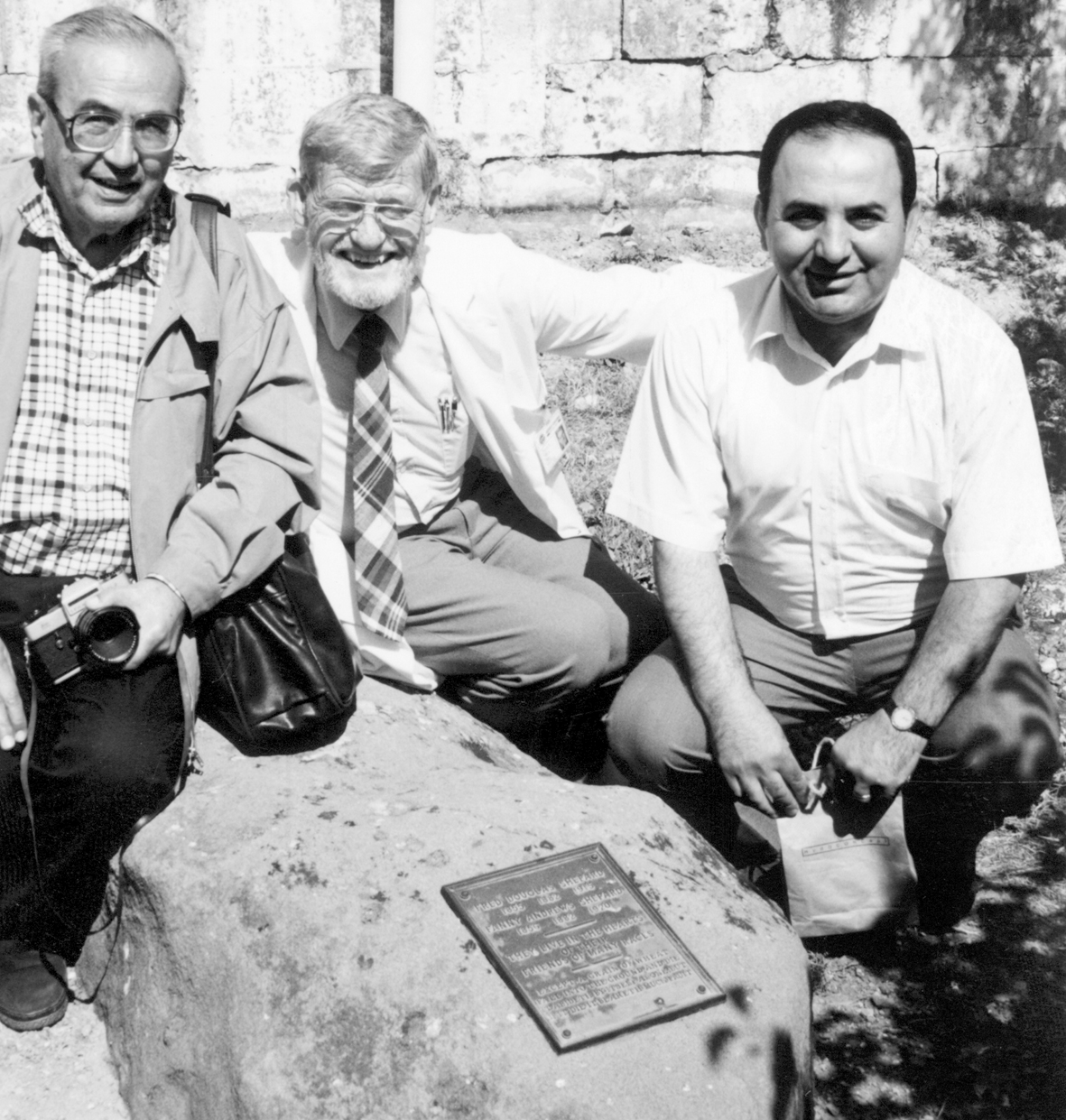
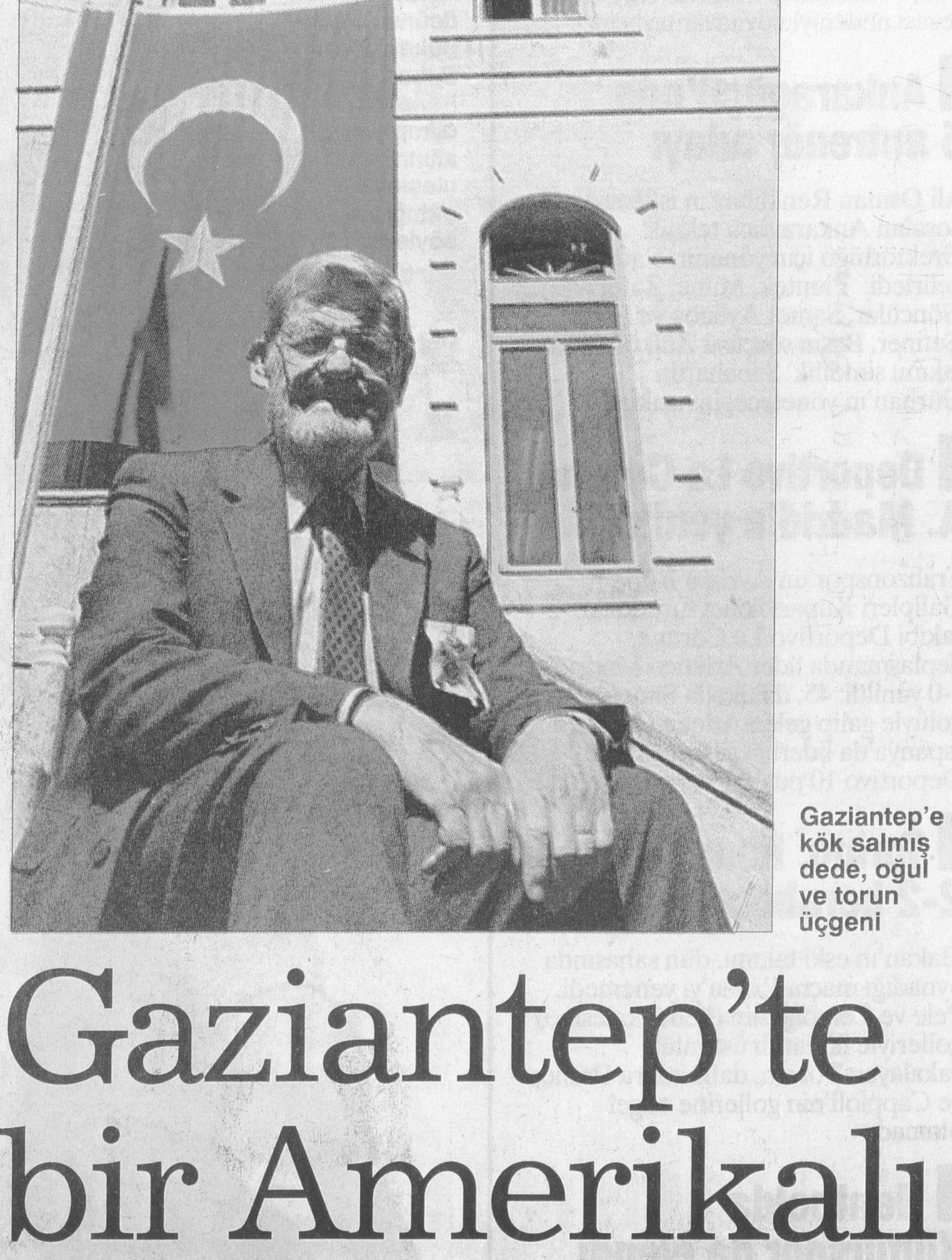
- Dr. Barclay Shepard at the graves of his grandfather and grandmother.
I LIVED TO SEE MY FOURTH GENERATION
Your children and grandchildren live in the United States, don’t they?
Yes… I can say that I lived to see my own fourth generation. I have nine grandchildren and twenty great-grandchildren. We have become a very large family.
My mother’s father was also a doctor, and so was my sister. One of my grandchildren is a doctor as well. My sister worked for many years at a hospital in Japan.
There are five of us siblings. My sister, Frederick, and Robert were born in Antep. I was born in the United States, and my younger sister was born in Istanbul.
Your family has been in Türkiye for 137 years… Your nephew Whitman Shepard, a fourth-generation member of the family, served as the founding principal of SAC… Have you ever thought about turning this whole story into a book?
Everyone tells me I should write down my memories. My grandmother Fanny Shepard’s diary is now with my sister, and she is trying to compile and organize it. During my recent visit, people in Antep told me how much they would like my sister to come for the opening of “Shepard Street” together with the book, if she manages to finish it.
There is also a book called Shepard of Aintab, written by my father’s sister, my aunt Alice Shepard Riggs. She was a physician too and graduated from the University of Michigan, the same university as my grandparents. But she does not write much about her mother, Fanny.
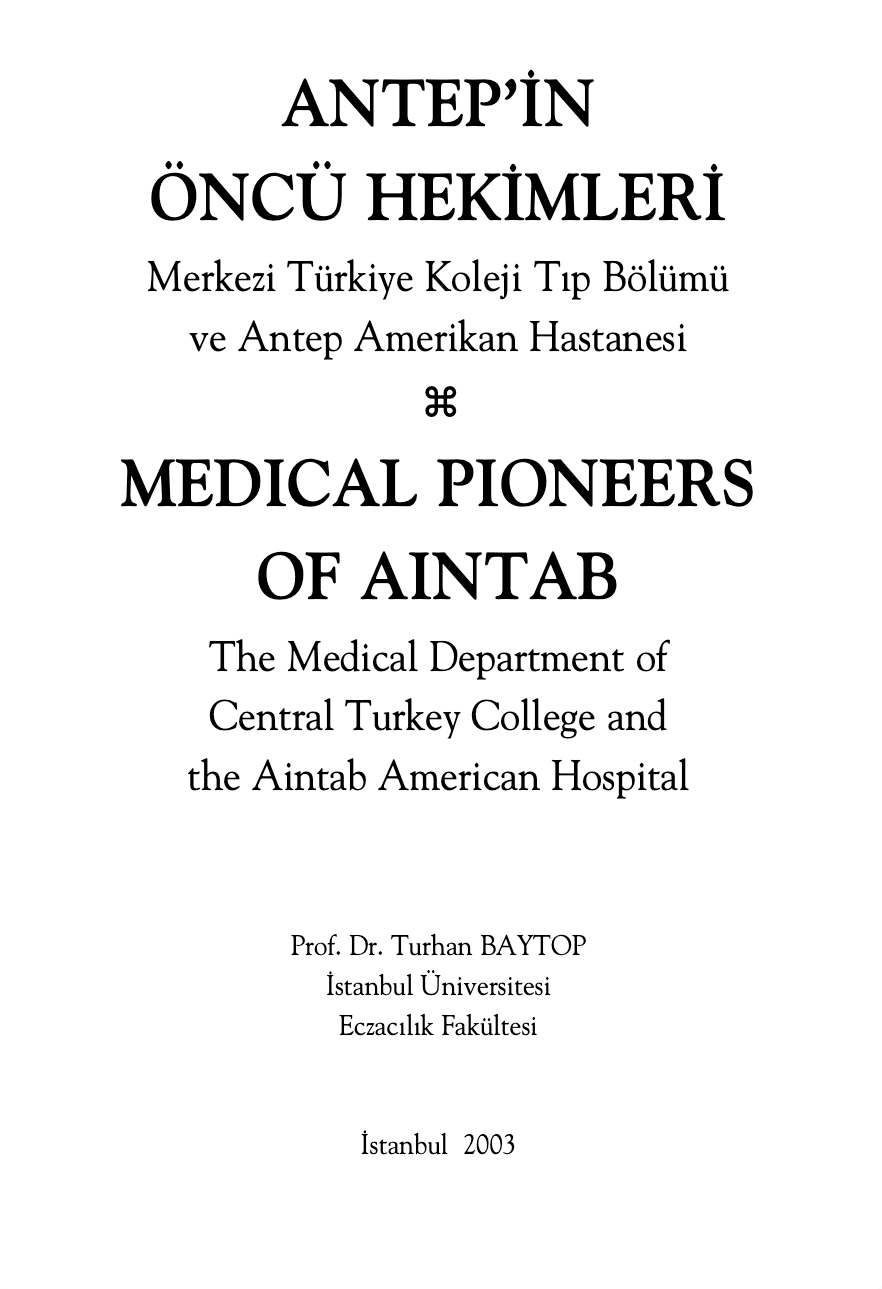
There is also a book by Professor Dr. Turhan Baytop, Antep’in Öncü Hekimleri (Pioneering Physicians of Antep). For this reason, I believe Fanny Shepard’s story should be told, particularly as a woman physician. She was a doctor, but at the time women were not allowed to practice medicine in Türkiye. So she worked as a midwife instead.
She was also very interested in botany. Some days, she and my grandfather would go out together collecting flowers. She made two collections, each consisting of 300 plants. She sent one to the United States, where she had a friend who was interested in botany. She sent the other to Dr. George Edward Post, a professor at the American University of Beirut.
When Dr. Post saw Fanny’s collection, he realized that seven of the plants had never been documented before. Following the Latin naming tradition, he dedicated six of them to my grandmother by giving them the species name “shepardii”: Astragalus shepardii, Medicago shepardii, Knautia shepardii, Pterocephalus shepardii, Paracaryum shepardii, and Galium shepardii. The seventh was named Verbascum postianum.
Fanny Shepard also taught the first medical pharmacology courses at the medical school in Antep. She helped local women generate income by selling their handmade crafts.
I would very much like to see a book about her.
Will you come back to Türkiye again?
Why not? I’m 93 now. I feel younger. I have good genes. One of my aunts lived to be 106. My mother and father both lived to be 95… The air in Antep may have something to do with it, too. Maybe the baklava… (laughs)
This interview was originally published in Issue 5 of Connect magazine, Summer 2019.

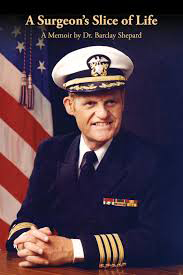
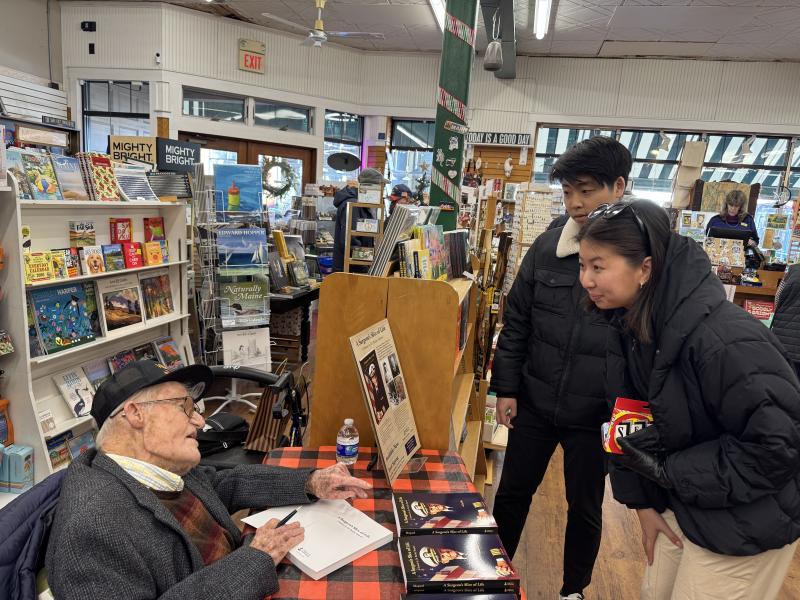
A Surgeon’s Slice of Life – A Memoir by Dr. Barclay Shepard
At the beginning of 2025, Dr. Barclay Shepard published his memoir, A Surgeon’s Slice of Life – A Memoir by Dr. Barclay Shepard, in which he recounts his life and experiences.
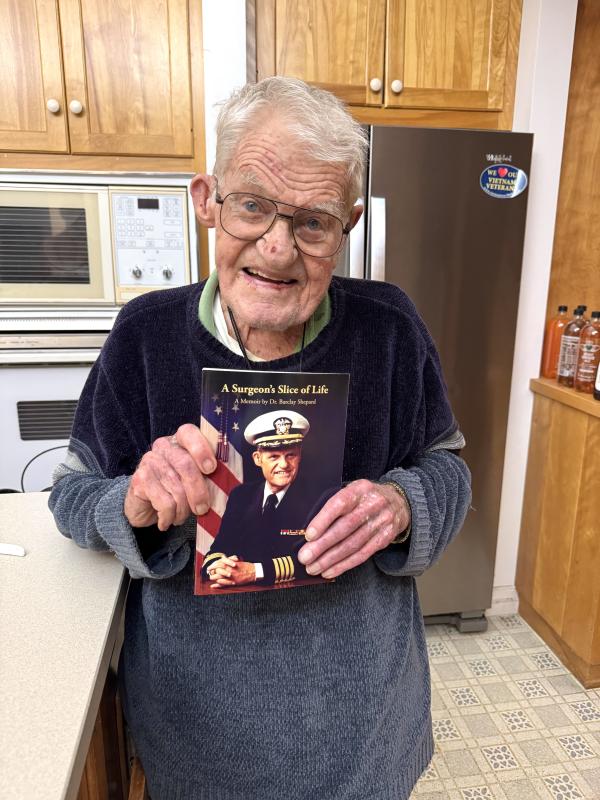
FOUR GENERATIONS OF THE SHEPARD FAMILY
FIRST GENERATION
Fred Douglas Shepard (1855–1915) / Fannie Andrews Shepard (1856–1920)
They had three children, two daughters and one son.
SECOND GENERATION
Dr. Lorrin A. Shepard (1890–1983) / Virginia Moffat Shepard (1882–1986)
Alice C. Shepard Riggs (1885–1983) / Ernest Riggs (1881–1952)
Florence Shepard
THIRD GENERATION
Dr. Lorrin A. Shepard and Virginia Moffat Shepard had five children:
Dr. Alice Shepard Cary (1920–…)
Worked as a physician in Japan.
Frederick D. Shepard (1922–1998) / Mary Alice Cary Shepard (1925–2021)
He and his wife taught and served in administrative positions at Talas, İzmir, and Üsküdar. Their son, Whitman Shepard, served at Tarsus, Üsküdar, SEV, and SAC.
Robert Shepard, PhD (1923–2017)
Served as Chair of the Chemistry Department and as a dean at Northeastern University in Massachusetts.
Dr. Barclay Shepard (1926–2026)
Served as Chief Medical Officer of SEV Gaziantep American Hospital.
Connie Shepard Jolly / Robert (Bob) Paul Jolly
They worked together in Tarsus.
FOURTH GENERATION
Whitman Shepard / Bengü Akın Shepard
Whitman Shepard taught at TAC and served as Headmaster at UAA, Education Director at SEV, and Founding Headmaster of SAC.